

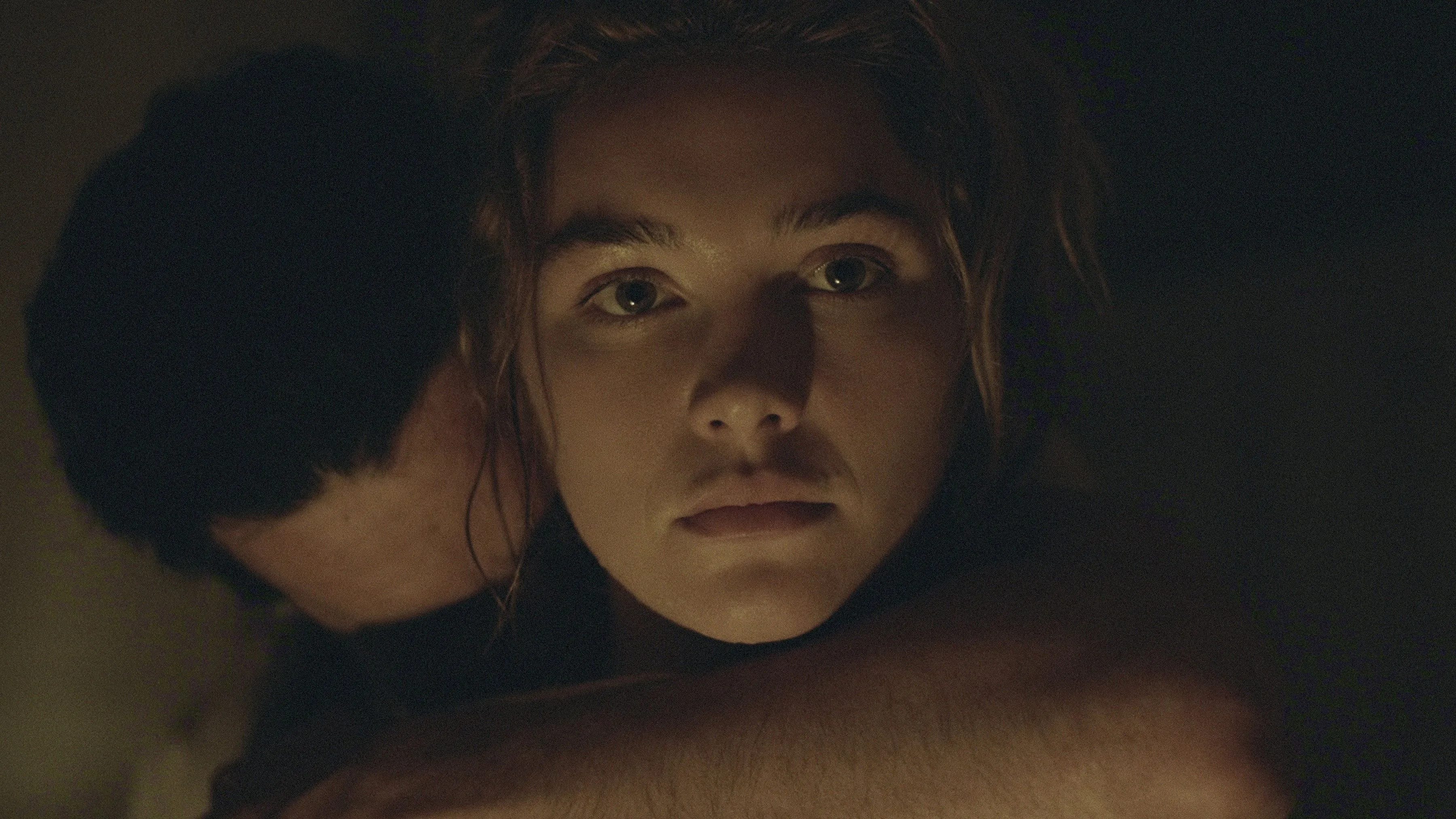
Spoilers for East of Eden.
I started watching East of Eden slightly annoyed. Here we were again: two generations of fathers, sons and brothers, all given complicated inner lives, wounds, contradictions, tenderness and moral conflict.
And then there was Cathy. The woman.
The one female character whose inner world we really enter at comparable depth — and she is also the character positioned closest to evil.
My first reaction was almost predictable: Of course.
A story written by a man in the 1950s gives us generations of complicated men and one deeply complicated woman, and that woman is cruel, manipulative, destructive and capable of extraordinary harm.
But somewhere along the way, my reading began to change. Not because the story stopped being male-centred, It doesn’t. And not because Cathy suddenly became innocent. She doesn’t.
Something deeply meaningful happens. The series slowly shifts our attention away from who the bad person is and lets us see how harm moves through the family.
And that changes almost everything.
Cathy is not absolved by being understood
There is an important distinction between Steinbeck’s 1952 novel and the adaptation I watched (Netflix).
Zoë Kazan, who created the series, has spoken about wanting Cathy to be a person rather than simply an archetype. About unfolding what was already present in Steinbeck’s text so we could see more of the human being underneath the monster.
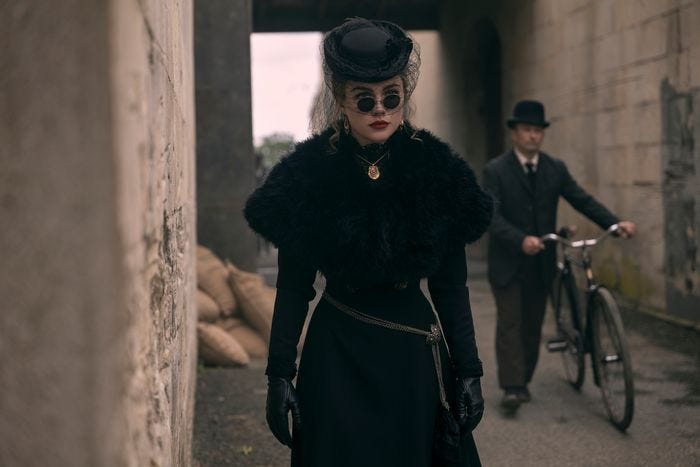
And I think that deply matters, because watching Cathy, we rarely experienced her simply as evil.
We can see what she was doing — the manipulation, the cruelty, the control, the destruction she left behind.
But we can also see something underneath it.
A person who learned very early that vulnerability was dangerous, someone who had been hurt, someone for whom control had become protection, someone who seemed to have organised herself around never again being at somebody else’s mercy.
Understanding that does not make what she does acceptable. It makes it intelligible. Those are very different things.
We often seem to believe that if we understand where harmful behaviour comes from, we are somehow excusing it. But I don’t think compassion requires us to do that.
But I can understand why someone developed a survival strategy and still look at what that strategy does to everyone around them.
I can recognise pain and still recognise agency — Cathy’s pain matters, so does the pain she creates.
Both can be true at once.
Cathy, I realised, was actually the easy one — her harm is visible. She manipulates. Deceives. Uses people. Attacks. Leaves.
We know where to look.
Adam is much more difficult.
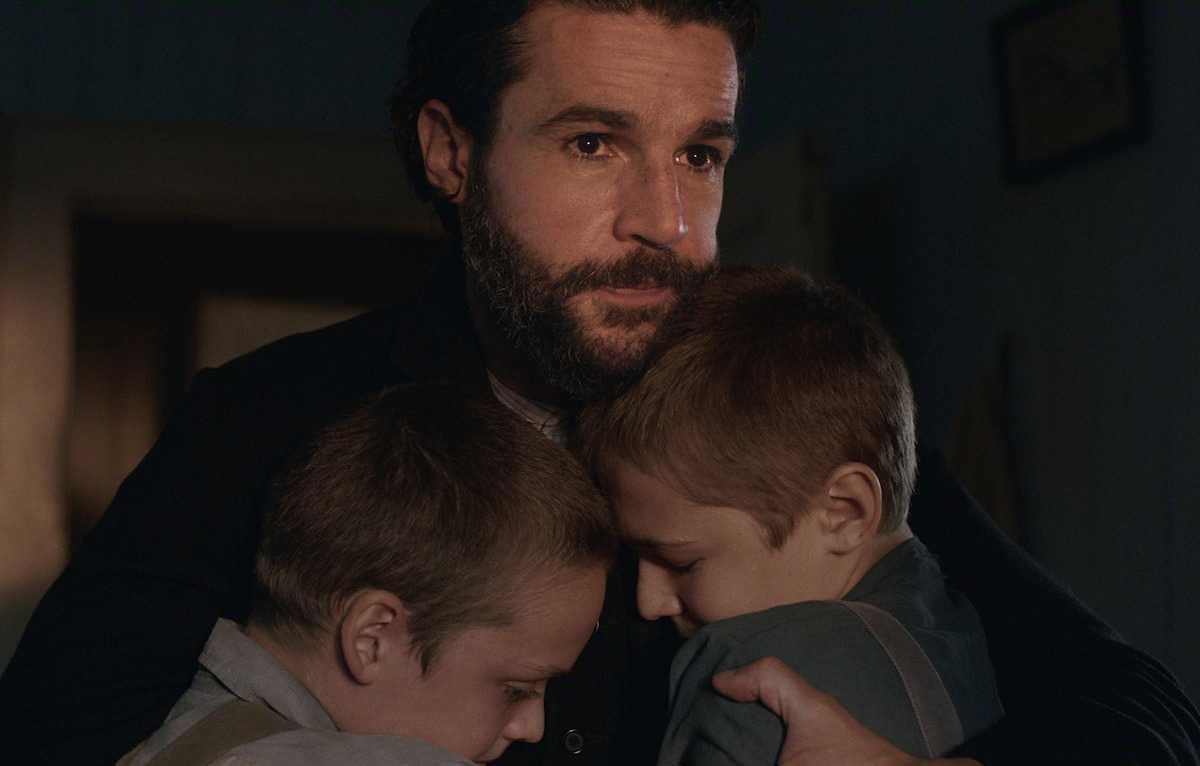
Because Adam looks good. He is sensitive. Idealistic. Loving. Wounded.
And he causes enormous harm too. Not by behaving like Cathy, but almost by doing the opposite.
Adam falls in love not really with the person in front of him, but with the person he needs her to be — something his father had done with him and his brother. He builds a reality around Cathy that cannot survive contact with who she actually is. And when reality becomes unbearable, he retreats from it, and eventually from the world around him. His sons grow up watching their father become a ghost — body there, mind miles away.
Inside silences. Inside a story with pieces missing.

Things that should have been faced by the adults become mysteries inherited by the children, because the truth about their mother does not disappear simply because Adam cannot bear to look at it.
It goes underground.
And underground truths have a strange way of continuing to organise families.
That disturbed me in a completely different way from Cathy, because Adam doesn’t need to want to hurt his children. His avoidance is enough, the mechanism is different; the consequences are still real, still deepply harmful to those around him.
And Cal is the first children to pay for it. Aron is second.
Cal desperately wants his father’s love. He wants to know that he is good, he wants to believe there isn’t something fundamentally wrong with him. So when Adam rejects the money Cal has worked so hard to give him, the rejection lands somewhere much older than the money itself.
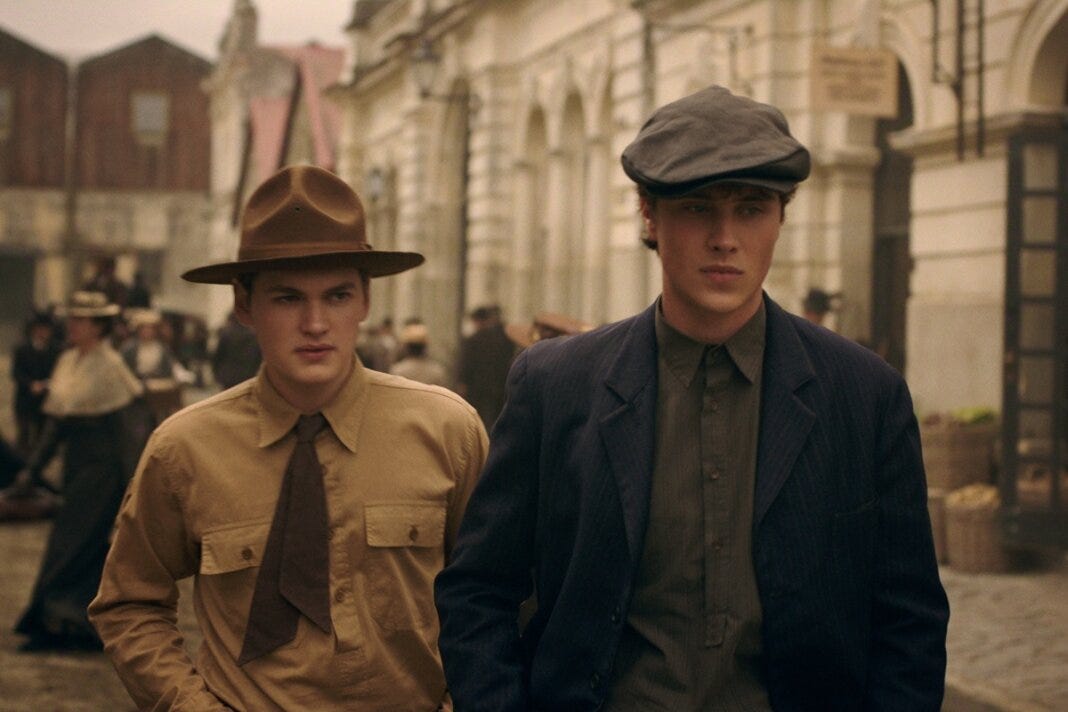
Cal is hurt. And then he hurts.
He takes the truth about Cathy — a truth Aron does not know — and gives it to his brother in the cruelest possible way. And that didn’t happened because Cal woke up that morning wanting to destroy Aron.
It happened because Cal is now in pain.
And for a moment, causing pain becomes his response to pain.
Then everything starts moving fast and the destruction touches everyone. Cal exposes Aron to Cathy —> Aron’s understanding of his family collapses —> Aron leaves —> War enters the story —> Adam receives devastating news.
And then Cal is left standing inside consequences much larger than the moment that started them. This is the point where we stop knowing where to put the blame.
Was it Cal? Yes.
He chose to take Aron to Cathy. But Cal didn’t create the secret.
So was it Adam? Yes.
His inability to face Cathy helped create the world his sons grew up inside.
But Adam didn’t create Cathy’s choices.
And Cathy didn’t create Adam’s idealisation of her.
And Cathy didn’t deserve all the pain she suffered from the age of five.
And then Aron is affected by all of them, and Aron responds too.
The further we follow the chain, the harder it becomes to find one person who owns the whole catastrophe. And yet they all pay for pain that was never fully faced.
The hidden truth moves through the family until the consequences become enormous. Cathy dies. Aron dies. Adam is dying. And Cal is left carrying the knowledge that something he did in a moment of pain became part of a chain he can never undo.
But then something changes.
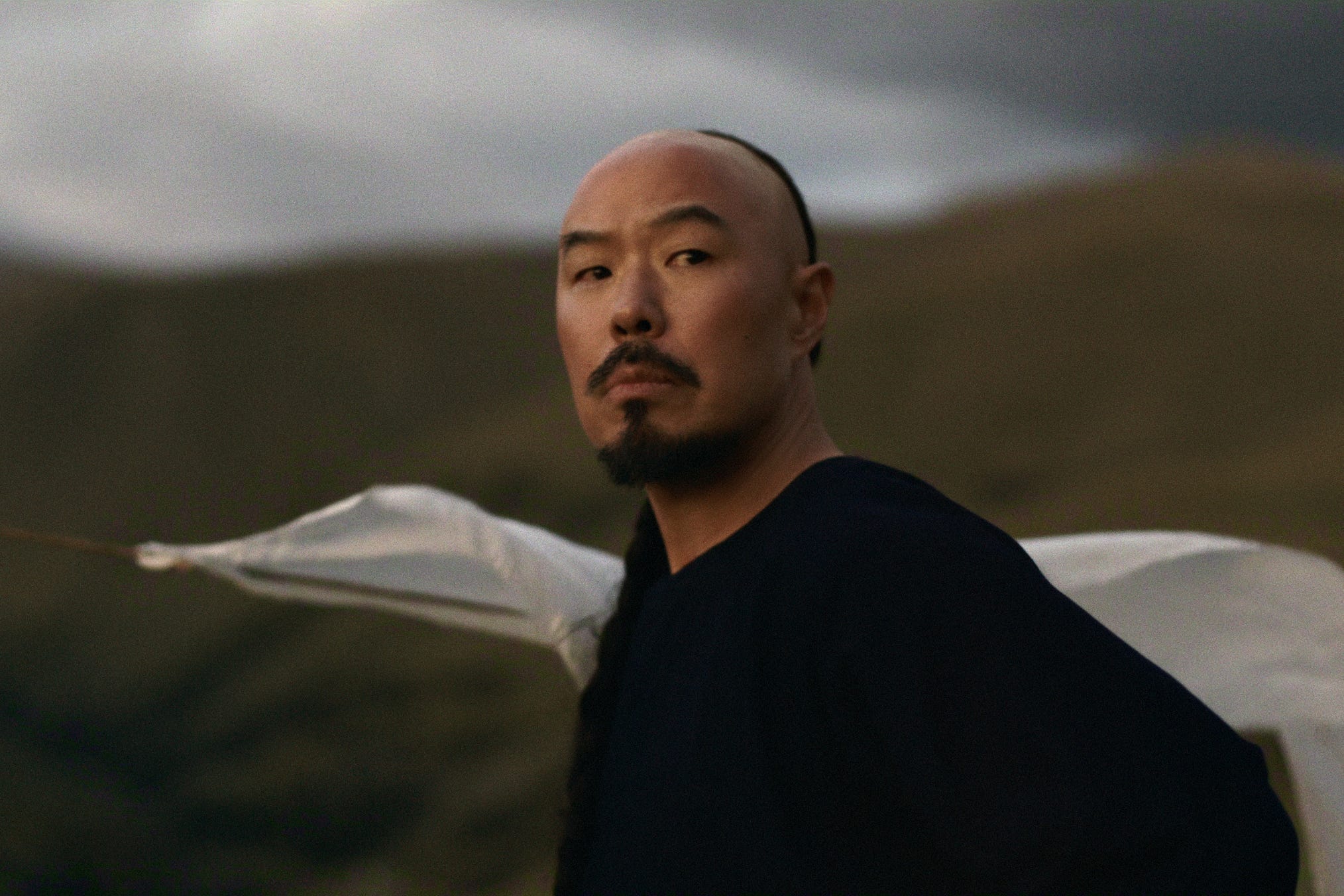
Lee speaks clearly about what has happened.
He names the pain. He names the consequences of silence. He makes Adam look at Cal, and Cal look at what he has done.
He refuses the silence that has organised this family for so long. And then Adam does something profoundly different from what he has done before.
He does not leave Cal with another silence.
He forgives him.
Not in a way that erases what happened. Aron is still dead. Nothing can undo that.
But in that final moment, Adam gives Cal something the family has repeatedly failed to give its children:
the possibility of facing what happened without being condemned to become it.
Cal cannot change what he did. He cannot change what happened to Aron. But perhaps he can understand enough not to repeat it.
Perhaps this is how a chain begins to break.
The further backwards we go, the harder it becames to find the beginning.
When we look at the full sequence we can see clearly the trace: one person’s response becomes another person’s circumstance.
This is how pain can travel through a relationship.
Through a family, sometimes through generations. Not because pain automatically becomes harm, it doesn’t. But because there is a space between what happens to us and what we do next. And a great deal of human life seems to happen inside that space.
Something happens to us —> We register it —> Something moves inside us — fear, shame, grief, anger, rejection —> We respond.
And the moment we respond, something that was inside us enters the world outside us. Now someone else has to respond to that.
This is how pain can travel through a relationship.
Through a family. Sometimes through generations.
Sometimes we connect with others — sometimes we protect ourselves.
Sometimes protection starts requiring somebody else to become smaller, quieter, wrong, guilty, obedient.
Sometimes we attack.
Sometimes we disappear.
Sometimes, like Adam, we simply refuse to look. And that too changes the circumstances for everyone around us.
This is where responsibility becomes much more complicated than blame.
Because blame wants a beginning, a culprit. The person who ruined everything. But East of Eden keeps refusing to give us one. Instead, we find ourselves asking a different question:
What did each person do with what happened to them?
Not what happened to them. That matters enormously. But what did they do next? And strangely, this brought me back to the thing that had annoyed me at the beginning.
Cathy. The woman.
The character positioned closest to evil, and my original discomfort hadn’t disappeared.
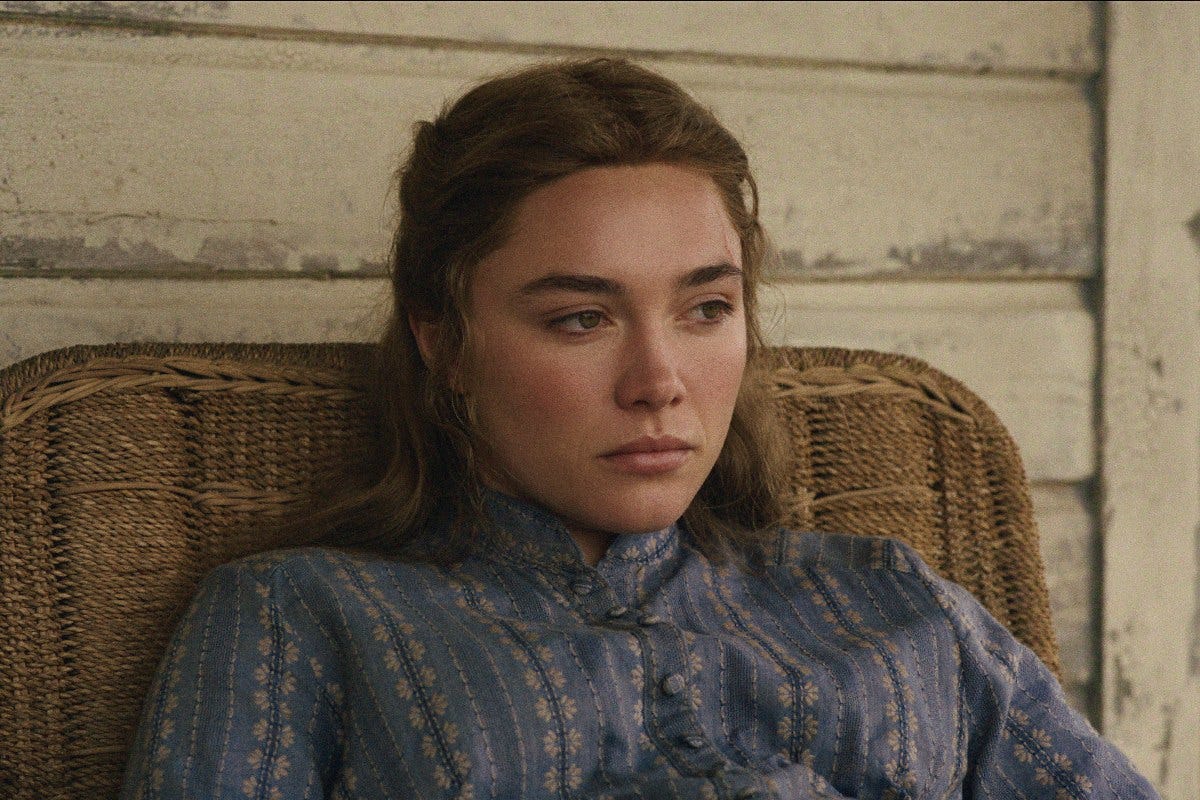
The story was still male-centred. Women have also lived under forms of systemic oppression that profoundly shaped the choices available to them: economic dependence, restrictions on sexual and bodily autonomy, limited legal rights, limited social power.
You cannot analyse a woman’s behaviour while pretending those circumstances don’t exist.
But now another thought was bothering me.
If I want women to be understood as fully human, don’t I also have to allow us the full moral range of being human?
Not only tenderness. Not only victimhood. Not only resilience.
Cruelty too. Control. Jealousy. Manipulation. Domination.
The capacity to hurt someone because we are hurting.
A woman can be oppressed within one system and harmful within a relationship. A man can possess structural privilege and still be vulnerable within a particular relationship. A person can be profoundly victimised and later victimise somebody else.
None of these truths erase the others. But we can’t scape to the reality that all are true.
Maybe granting women full humanity means refusing to flatten us in either direction.
Not monsters because we cause harm. Not morally pure because harm has been done to us.
Human.
Which leaves a rather uncomfortable problem.
If Cathy is shaped by what happened to her, and Adam is shaped by what happened to him, and Cal is shaped by Adam and Cathy and the family he inherited…
where does responsibility begin?
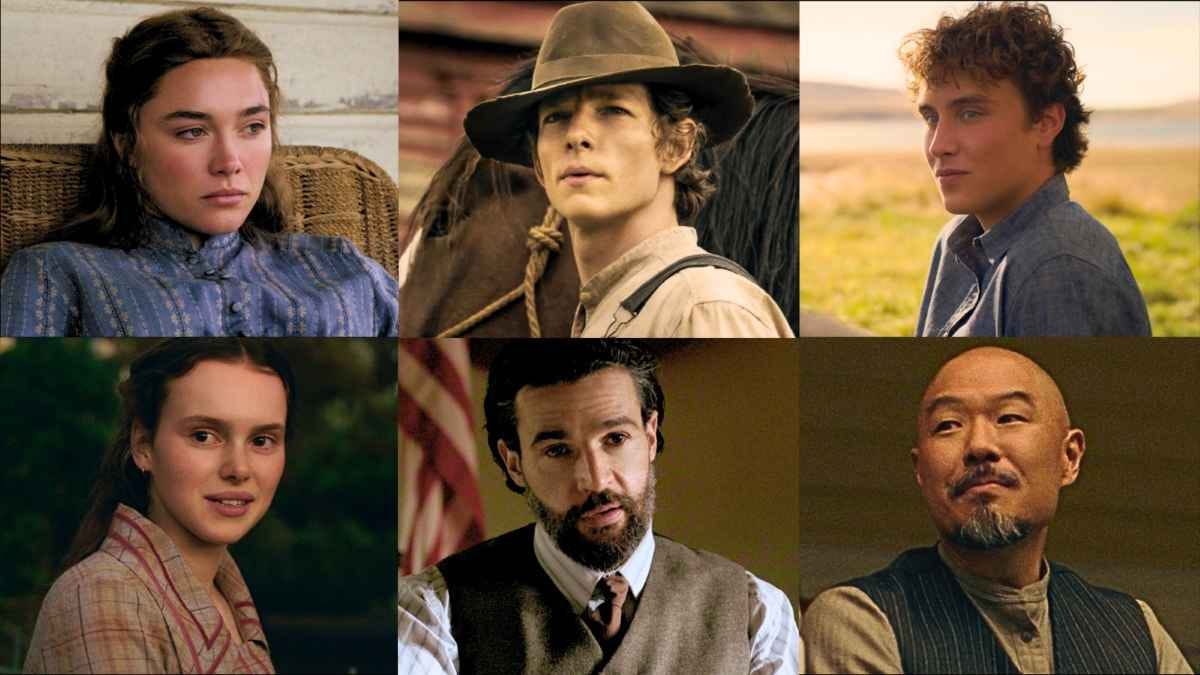
If we keep tracing every response backwards, eventually every harmful person was once a child responding to circumstances they did not create.
And if circumstances explain everything completely, what happens to agency? I kept coming back to that question. Because I don’t think the answer can be that circumstances don’t matter.
They do.
Our bodies learn.
Our relationships teach us what to expect.
Fear changes what becomes possible in a moment. So does shame. So does love. So does power. So does what happened yesterday, and sometimes what happened twenty years ago.
We do not choose from nowhere.
But neither could I accept the opposite conclusion: that once we can explain a behaviour, responsibility somehow evaporates.
And this is where East of Eden gave me a word.
Timshel. Thou mayest.
You may. Not you will. Not you must.
And not you couldn’t help it.
You may.
There is something extraordinarily compassionate about that idea because it leaves room for everything that came before. And there is something equally demanding about it because it leaves room for what comes next.
Maybe that’s why another part of the story matters so much: what happens after we cause harm.

Humans are going to hurt each other, we will misunderstand each other, we will react from fear, we will sometimes protect ourselves badly, we will make decisions from places in us that are wounded, frightened, furious or ashamed.
The question cannot only be whether we ever cause harm. It also has to be what happens when the harm becomes visible.
Can I look?
Can I tolerate knowing that something I did hurt you without needing to make you wrong so I can remain good?
Can I feel guilt without collapsing into shame?
Can I return?
Can I repair?
Because perhaps the most dangerous moment isn’t always the first harmful act. Sometimes it is the moment after.
The moment when I see what I have done and have to choose between the pain of facing it and the protection of denying it.
If I choose protection at your expense, the structure has to grow.
One lie needs another —> Avoidance requires more avoidance —> Control requires more control.
Eventually I may no longer be protecting myself from the original wound at all.

I may be asking you to carry it for me.
And maybe this is why I finished East of Eden somewhere so different from where I began.
I started out irritated that a story full of complicated men seemed to have given its deepest darkness to a woman. I finished it thinking about how inadequate that entire way of dividing people might be.
Good people. Bad people. Victims. Villains.
The categories become unstable the moment you start watching what people actually do with pain.
Perhaps responsibility lives somewhere there: between understanding what happened to us and recognising what our response is doing to someone else. Not in pretending that circumstances don’t shape us and not in pretending that understanding erases harm. But in that small, difficult space between what happened…
and what happens next.
Timshel.
You may.
—Anna Paretas Artacho

this is by far the best analysis of east of eden and honestly probably any film that i’ve read, it is empathetic yet deeply honest!! WOW 🌟
Hey anna ! Really loved the piece ! The way you broke down the character dept, you pointed out the dark emotions and really captured it with sheer maturity, loved it !
Hey this is my latest article,
I am really new to this platform, and support from my fellow writers would mean a lot , please check out my peice ,
I write about deep human emotions , psychology, philosophical peices , I write poetry about deep melancholia, heartbreak, and overall less explored human side !
https://substack.com/@prasantfeelsandwrites/note/p-218878247?r=965uab